
Nutritional Botanicals for Fish and Shrimp
Terminalia Catappa
for Aquarium Health & Wellness
Unlock the secret to a thriving aquarium! Discover how Terminalia Catappa enhances water quality, boosts fish health, and promotes overall wellness in your aquatic paradise.

Understanding the Nutritional Value of Terminalia Catappa
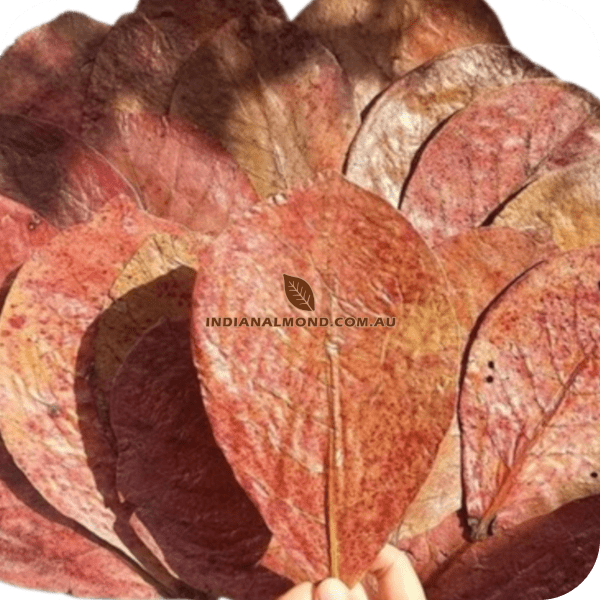
Terminalia Catappa, commonly known as Indian almond leaves, is a treasure trove of bioactive compounds. These leaves are rich in tannins, flavonoids, and organic acids that contribute to their multifaceted benefits for aquarium health. Tannins, in particular, are known for their antioxidant properties, which can neutralize harmful free radicals in the water, creating a healthier environment for your aquatic pets. Additionally, these compounds can lower the pH levels of the water, which is beneficial for species that thrive in slightly acidic conditions.
The nutritional value of Terminalia Catappa extends to its ability to release beneficial organic compounds as it decomposes. This gradual release ensures a steady supply of nutrients that can be absorbed by both fish and plants in your aquarium. For instance, flavonoids found in these leaves have been shown to boost the immune system of fish, making them more resilient to diseases and infections. The organic acids, meanwhile, help in maintaining a stable pH level, which is crucial for the well-being of most freshwater species.
Moreover, Terminalia Catappa leaves are also a good source of trace elements and minerals. These elements are essential for the overall metabolic functions of fish and plants. Calcium, magnesium, and potassium are some of the minerals present in these leaves, and they play a vital role in bone formation, enzyme function, and overall cellular activities. By incorporating Terminalia Catappa into your aquarium, you are essentially creating a mini-ecosystem where the natural balance of nutrients is maintained, promoting a thriving aquatic environment.

 How Terminalia Catappa Supports Fish Health
 How Terminalia Catappa Supports Fish Health
One of the most compelling reasons to incorporate Terminalia Catappa into your aquarium is its significant impact on fish health. The leaves act as a natural stress reliever, which is particularly important in a confined environment like an aquarium. Stress can weaken the immune system of fish, making them more susceptible to diseases. The bioactive compounds in Terminalia Catappa help to create a calming environment, reducing stress levels and promoting overall well-being.
The antimicrobial properties of Terminalia Catappa are another major benefit for fish health. These leaves contain compounds that can effectively inhibit the growth of harmful bacteria and fungi in the water. This is particularly beneficial for preventing common fish diseases such as fin rot, ich, and bacterial infections. The antimicrobial action of these leaves ensures that the water remains clean and free from pathogens, providing a safer environment for your fish.
In addition to its antimicrobial properties, Terminalia Catappa also acts as an anti-inflammatory agent. Injuries and infections can cause inflammation in fish, leading to discomfort and further health complications. The anti-inflammatory compounds in these leaves help to reduce swelling and promote faster healing. This is especially useful for fish that may have sustained injuries during transport or from territorial disputes within the aquarium. By incorporating Terminalia Catappa, you are providing a natural remedy that supports the overall health and longevity of your fish.
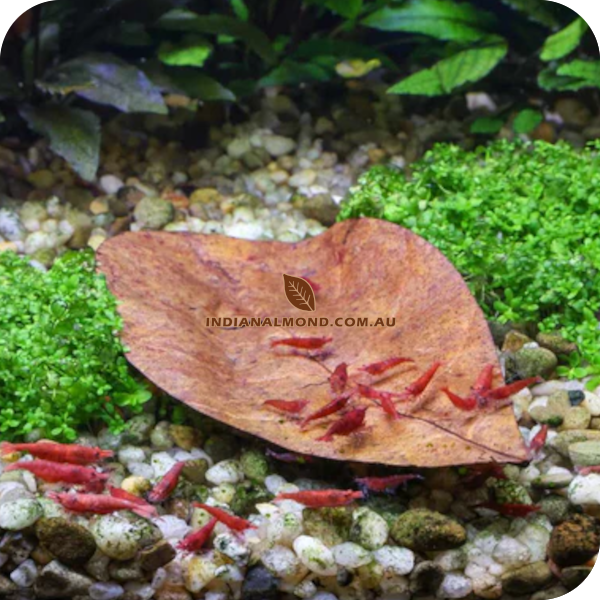
The Role of Terminalia Catappa in Water Quality Management
Maintaining optimal water quality is crucial for the health and well-being of your aquarium inhabitants. Terminalia Catappa leaves play a vital role in water quality management by naturally conditioning the water. As the leaves decompose, they release tannins and humic acids into the water. These compounds help in softening the water, making it more suitable for species that prefer slightly acidic to neutral pH levels. This natural acidification process also inhibits the growth of algae, which can otherwise take over the aquarium and disrupt the ecosystem.
Another significant advantage of using Terminalia Catappa for water quality management is its ability to reduce the levels of heavy metals in the water. Heavy metals such as copper, lead, and zinc can be toxic to fish and plants at high concentrations. The tannins and other organic compounds released by the leaves bind to these heavy metals, rendering them less harmful. This chelation process helps in maintaining a safer and more stable environment for all your aquarium inhabitants.
Active Water Conditioning Compounds
• Humic Acids – improve water quality, bind toxins and heavy metals – making for more effectiv water filtration/cleaning, support fish immune systems, and stabilise soft-water conditions
• Fulvic Acids – smaller, fast-acting humic substances that enhance nutrient uptake, reduce stress, and improve overall fish vitality
• Tannic Acids (tannins) – gives the brown “blackwater” tint, lowers pH slightly, inhibits bacteria and fungi, and calms fish
Furthermore, Terminalia Catappa leaves also contribute to the biological filtration process. The decomposing leaves provide a surface for beneficial bacteria to colonize. These bacteria play a crucial role in breaking down harmful ammonia and nitrites into less toxic nitrates. This natural biofiltration process helps in maintaining a balanced nitrogen cycle, which is essential for the overall health of your aquarium. By using Terminalia Catappa, you are not only enhancing the water quality but also promoting a self-sustaining ecosystem within your aquarium.
Terminalia Catappa and Its Antimicrobial Properties
 Terminalia Catappa and Its Antimicrobial Properties
The antimicrobial properties of Terminalia Catappa make it a valuable addition to any aquarium. These leaves contain natural compounds that are effective against a wide range of pathogens, including bacteria, fungi, and protozoa. This is particularly beneficial in preventing common aquarium diseases such as fin rot, fungal infections, and ich. The antimicrobial action of Terminalia Catappa helps in keeping the water clean and free from harmful micro-organisms, thereby reducing the risk of disease outbreaks.
One of the key antimicrobial compounds found in Terminalia Catappa is tannin. Tannins have been extensively studied for their antimicrobial properties and have been found to inhibit the growth of various pathogenic microorganisms. When Terminalia Catappa leaves are added to the aquarium, the tannins released into the water create an inhospitable environment for harmful bacteria and fungi. This natural antimicrobial action helps in maintaining a healthy and disease-free environment for your fish.
Bio-Available extracts sourced in Terminalia catappa
-
- Flavenoids and Polyphenols – Flavonoids are plant-based polyphenolic compounds found in fruit, vegetables, grains, tea and wine. Potent antioxidant, anti-inflammatory, and anti-carcinogenic properties of flavonoids ensure they help protect against oxidative stress and reduce the risk of chronic disease.
- Ellagic Acid – a natural polyphenol antioxidant found in fruits (berries, pomegranates, grapes) and nuts (walnuts, pecans) and Indian almond leaf (Terminalia catappa). Anti-inflammatory, anti-cancer, and neuroprotective properties by neutralizing free radicals and potentially modulating immune function.
- Gallic Acid – a natural phenolic acid, antioxidant, and plant metabolite found in tea, nuts, and fruits like mangoes, pomegranates and almond leaves. Significant anti-inflammatory, anti-tumor, and antimicrobial properties.
In addition to tannins, Terminalia Catappa leaves also contain flavonoids and saponins, which contribute to their antimicrobial properties. Flavonoids are known for their ability to inhibit the growth of bacteria and fungi, while saponins have been found to possess antifungal and antiparasitic properties. The combination of these bioactive compounds makes Terminalia Catappa an effective natural remedy for preventing and treating infections in your aquarium. By incorporating these leaves into your aquarium, you are providing a natural and chemical-free solution to maintaining the health and well-being of your fish.
Benefits for Aquatic Plants: Enhancing Growth and Resilience
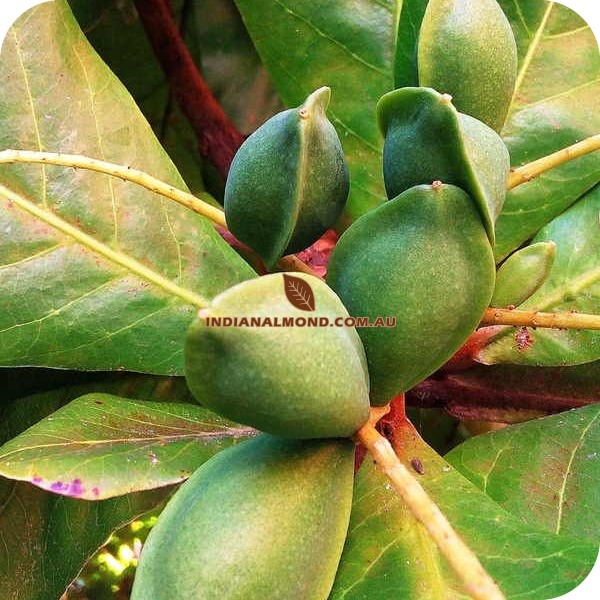 Benefits for Aquatic Plants: Enhancing Growth and Resilience
Terminalia Catappa leaves are not only beneficial for fish but also for aquatic plants. The organic compounds released by these leaves as they decompose provide essential nutrients that promote the growth and resilience of aquatic plants. For instance, the humic acids released by Terminalia Catappa help in improving the nutrient uptake of plants. These acids bind to essential nutrients such as iron, making them more readily available for absorption by the plants. This enhanced nutrient uptake promotes healthy growth and vibrant coloration in aquatic plants.
In addition to improving nutrient uptake, Terminalia Catappa also helps in enhancing the root development of aquatic plants. The organic acids released by these leaves stimulate root growth, leading to a more extensive and robust root system. A strong root system is essential for the overall health and stability of aquatic plants, as it allows them to anchor firmly in the substrate and absorb nutrients more efficiently. By promoting healthy root development, Terminalia Catappa contributes to the overall resilience and longevity of aquatic plants.
Furthermore, the antimicrobial properties of Terminalia Catappa also benefit aquatic plants by protecting them from harmful pathogens. Fungal infections and bacterial diseases can severely impact the health of aquatic plants, leading to stunted growth and discoloration. The antimicrobial compounds in Terminalia Catappa help in preventing these infections, ensuring that your plants remain healthy and vibrant. By incorporating these leaves into your aquarium, you are not only promoting the growth of your aquatic plants but also protecting them from potential threats.
Using Terminalia Catappa in Different Types of Aquariums
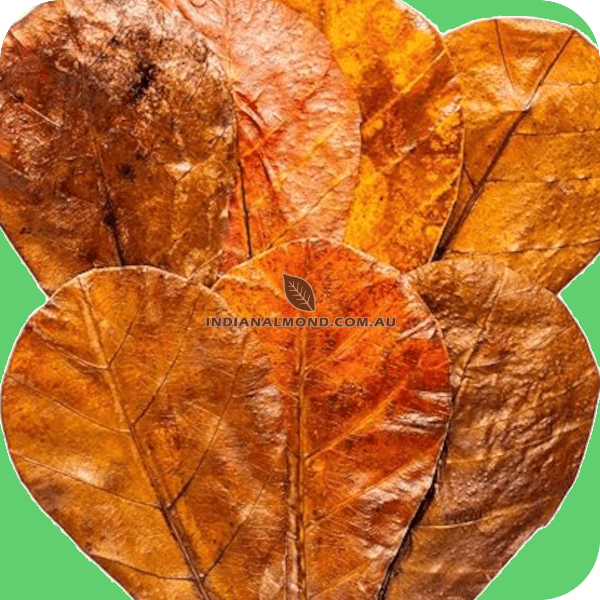 Using Terminalia Catappa in Different Types of Aquariums
Terminalia Catappa leaves are incredibly versatile and can be used in various types of aquariums, including freshwater, brackish, and even certain types of saltwater setups. In freshwater aquariums, these leaves are particularly beneficial for species that thrive in slightly acidic to neutral pH conditions. Fish such as bettas, discus, and certain species of tetras and catfish benefit greatly from the natural water conditioning properties of Terminalia Catappa. The leaves help in creating a more natural and stress-free environment for these species, promoting their overall health and well-being.
In brackish water aquariums, Terminalia Catappa leaves can also be used to enhance water quality and support the health of fish and plants. Brackish water species such as mollies, gobies, and certain species of puffers benefit from the antimicrobial properties of these leaves, which help in preventing infections and diseases. The leaves also contribute to the natural biofiltration process, helping in maintaining a stable and healthy environment for your brackish water inhabitants.
Even in certain types of saltwater aquariums, Terminalia Catappa leaves can be used to provide additional benefits. While these leaves are not typically used in reef tanks, they can be beneficial in fish-only saltwater setups or in tanks with hardy marine plants. The antimicrobial and anti-inflammatory properties of Terminalia Catappa help in maintaining the health of marine fish and invertebrates. By incorporating these leaves into your saltwater aquarium, you are providing a natural and holistic approach to maintaining the health and well-being of your aquatic pets.
Best Ways to Make Terminalia Catappa Part of Your Aquarium
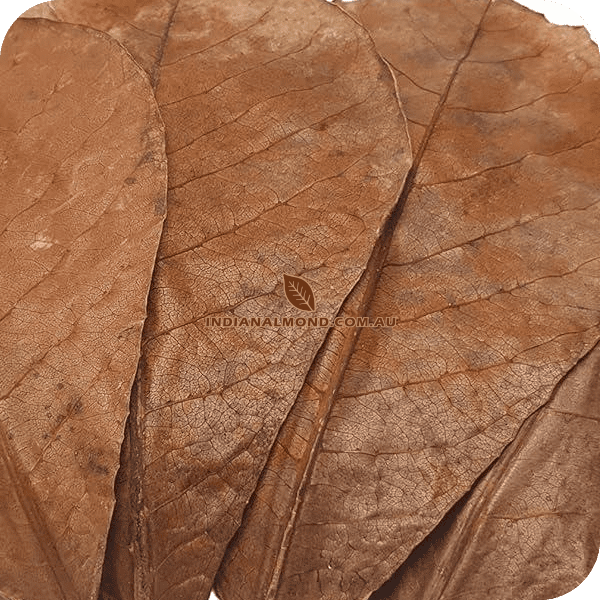 Best Ways to Make Terminalia Catappa Part of Your Aquarium
To fully harness the benefits of Terminalia Catappa, it is essential to follow best practices when incorporating these leaves into your aquarium. One of the first steps is to ensure that the leaves are thoroughly cleaned before adding them to the tank. Rinse the leaves under running water to remove any dirt or debris. Gently massage the leaves under running water, or better yet, half-fill a bucket of water and use it to massage each leaf prior to use. If you are concerned about potential contaminants, you can also boil the leaves for a few minutes and then let them cool before adding them to the aquarium. This step helps in sterilizing the leaves and ensuring that they are safe for your aquarium inhabitants. Personally, I don’t recommend boiling the leaves as it really reduces the levels of available tannins and almost defeats the purpose of using the leaves in the first place.
The quantity of Terminalia Catappa leaves to be added depends on the size of your aquarium and the specific needs of your fish and plants. As a general guideline, adding one leaf for every 20 litres of water is a good starting point. You can adjust the quantity based on the response of your aquarium inhabitants and the changes in water parameters. It is important to monitor the pH levels and other water parameters regularly to ensure that they remain within the optimal range for your specific species. Expect measured drop in pH and water hardness after adding the leaves.
When adding Terminalia Catappa leaves to your aquarium, it is also important to consider their placement. You can either place the leaves directly on the substrate or anchor them to decorations or driftwood. As the leaves decompose, they will release beneficial compounds into the water, providing ongoing benefits for your fish and plants. It is also a good practice to replace the leaves every few weeks, as they decompose and lose their potency over time. By following these best practices, you can effectively incorporate Terminalia Catappa into your aquarium and create a thriving and healthy environment for your aquatic pets.
Common Myths and Misconceptions about Terminalia Catappa
 Common Myths and Misconceptions about Terminalia Catappa
Despite the numerous benefits of Terminalia Catappa, there are several myths and misconceptions that may deter aquarium enthusiasts from using these leaves. One common misconception is that Terminalia Catappa leaves will significantly discolor the water, making it look dirty and unappealing. While it is true that the leaves release tannins that can tint the water a tea-like color, this is actually beneficial for many species of fish and plants. The slightly tinted water mimics their natural habitat and can help in reducing stress levels. Moreover, the discoloration is temporary and can be managed by regular water changes and the use of activated carbon in the filter.
Another myth is that Terminalia Catappa leaves can be harmful to certain species of fish and plants. In reality, these leaves are safe for a wide range of freshwater and brackish water species. The key is to use the leaves in moderation and monitor the water parameters to ensure that they remain within the optimal range for your specific species. The natural compounds released by Terminalia Catappa are beneficial for most aquarium inhabitants and contribute to a healthier and more balanced environment.
There is also a misconception that Terminalia Catappa leaves are only useful for treating sick fish or managing specific water quality issues. While these leaves are indeed effective in treating various ailments and improving water quality, their benefits extend beyond these specific uses. Terminalia Catappa leaves can be used as a preventive measure to promote overall health and well-being in your aquarium. By debunking these myths and misconceptions, you can fully appreciate the numerous benefits of Terminalia Catappa and incorporate them into your aquarium with confidence.
Embracing Terminalia Catappa for a Thriving Aquarium
Incorporating Terminalia Catappa into your aquarium offers a multitude of benefits that contribute to the overall health and well-being of your aquatic pets and plants. From improving water quality and providing essential nutrients to supporting fish health and enhancing plant growth, these leaves are a natural and holistic solution for maintaining a thriving aquarium. The antimicrobial, anti-inflammatory, and stress-relieving properties of Terminalia Catappa create a safer and more balanced environment for your aquarium inhabitants
Understanding the nutritional value and the multifaceted benefits of Terminalia Catappa allows you to make informed decisions about incorporating these leaves into your aquarium. By following best practices and debunking common myths and misconceptions, you can effectively use Terminalia Catappa to create a healthier and more vibrant aquatic environment. Whether you have a freshwater, brackish, or certain types of saltwater aquarium, Terminalia Catappa is a versatile and valuable addition that can enhance the overall wellness of your aquatic ecosystem.
Embracing Terminalia Catappa is not just about addressing specific issues or ailments; it is about adopting a proactive approach to aquarium care. By integrating these leaves into your routine maintenance, you are taking a natural and sustainable step towards creating a thriving aquarium. So, unlock the secret to a flourishing aquatic paradise and discover the transformative benefits of Terminalia Catappa for your aquarium health and wellness.